New corridors help preserve country’s trade capacity: TPO official
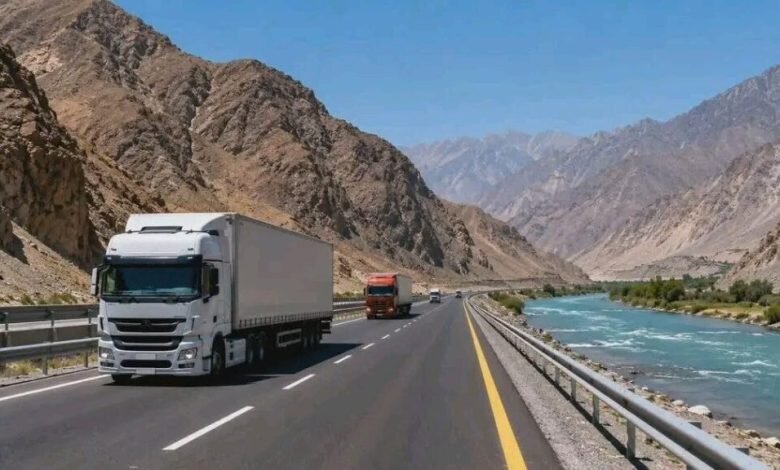
TEHRAN- Deputy Head of the Trade Promotion Organization (TPO) said: With the cooperation of various sectors and the creation of new infrastructure and corridors, part of the country’s trade capacity was preserved and it became possible for activities to continue.
According to the Mehr News Agency, Amir Roshanbakhsh, Deputy for Promotion of International Businesses of the Iran Trade Promotion Organization, said: In the current conditions, the most important challenge facing Iran’s foreign trade is transportation and the movement of goods along export and import routes—a problem that has intensified following the siege.
He stated: In the last year, about 75 percent of the country’s goods trade was conducted through the Sea of Oman and the Persian Gulf. The initial estimate was that, with the imposition of the siege, this capacity would be completely lost; however, statistics for the first six months of the year disprove this claim.
Roshanbakhsh, referring to efforts made to maintain the flow of foreign trade, added: With the cooperation of various sectors and the creation of new infrastructure and corridors, part of the country’s trade capacity was preserved and it became possible for activities to continue.
However, he emphasized that the current problems of foreign trade are not solely caused by crisis conditions, but are rooted in policymaking and the approach to economic governance—issues that existed even under normal conditions and have now become more visible during the crisis period.
In another part of his remarks, Roshanbakhsh addressed the role of economic associations in pursuing the demands of private-sector actors and said: Associations have been formed with the aim of securing the rights of various economic guilds and groups and can be the voice of the private sector.
Referring to the Iran Chamber’s more than one-century history of activity, he added: The country’s private-sector parliament can play the role of intermediary and facilitator between the government, as the legislator, and economic actors, and can provide the ground for more effective interaction between the two.
According to Roshanbakhsh, strengthening the role of economic associations can help increase private-sector participation in decision-making and regulatory processes and reduce harmful government intervention in economic activities.
In conclusion, referring to the legal capacities of economic associations in the country, he emphasized: Existing laws in this area have suitable capacities, and the Iran Chamber can, by playing an advisory role and addressing association-related issues, provide the ground for strengthening associations and more effective reflection of the private sector’s demands.
MA
Leave a Comment